You are here: Benchmark Home » Home Ownership » Page 3

Category: Home Ownership

Summer Water Conservation Tips For Your Home and Garden

Being our most important natural resource, conservation of fresh water is a universal responsibility. Here are four simple ways that you may be able to reduce your fresh water footprint and save on your water bill.

 

Use Less On Lawn Care

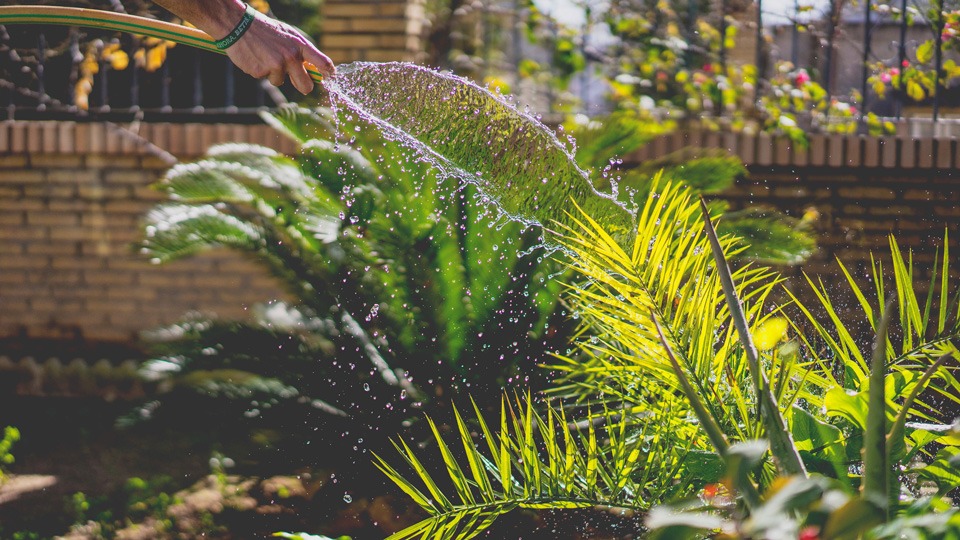
Did you know that nearly 60% of a person’s water consumption may be used on lawn and garden care?* Having a great lawn can really keep your home looking its best, but are you giving yours too much love? By just watering at the right time of day, you can prevent evaporation, with means the water sprayed is actually held in the soil to keep your plants and lawn watered throughout the day. It is recommended to water early in the morning, and to avoid watering during windy weather. It also makes sense to limit the amount of time spent watering, and during rainy seasons, it isn’t necessary to water every day. By cutting down on just a few minutes of watering, you’ll save money on utilities, several gallons of water, and your garden will still look stunning!

* http://www.nationalgeographic.com/environment/freshwater/water-conservation-tips/


Mulch Is Soil’s Best Friend

By adding a layer of mulch, you prevent evaporation, keeping soil is kept moist for longer. Not only is mulch water efficient, but it contributes by adding visual contrast to landscaping. Since it comes in a variety of materials and colors, you can also choose a color to accent your house and landscape. Synthetic mulch and wood mulch are the two most popular kinds. Synthetic mulch made from recycled products last for many years, and are a popular choice for playgrounds. Natural wood mulch will need to be replenished annually as it breaks down, improving soil by adding organic matter and slow release compost. If your garden has a lot of water runoff, which mulch is important since some wood mulches can wash away more easily than synthetic (rubber) mulch. Many homeowners prefer wood chips because of their natural look and tendency to stay grounded on windy days.* As wonderful as mulch is, there is another way to be water smart in the garden. You can also use rain barrels to collect rainwater, which is free of chlorine, plus a little added nitrogen picked up in the atmosphere on its way down. Every drop counts!

* http://homeguides.sfgate.com/comparison-between-rubber-mulch-wood-chips-51700.html


Water For Washing

Do you enjoy a relaxing bath at the end of a long day? Did you know that it takes ~70 gallons of water plus the energy required to heat it? Showers are a great water smart alternative since they don’t use nearly as much water, especially with a low flow shower head.*

This goes for washing dishes, too. Typically, water usage for washing dishes isn’t very high, but every little bit adds up. A completely full dishwasher prevents the need to hand wash every dish individually, with the following rinse in the kitchen sink. Modern automatic dishwashers are designed to be efficient and use a minimal amount of water.* Not to mention the time and energy it saves!

* http://www.nationalgeographic.com/environment/freshwater/water-conservation-tips/


Drinking Water

Since bottled water is transported great distances before it is consumed, it is better to avoid it when possible. Many bottled water companies also use a reverse osmosis system to produce their products. Even though Reverse Osmosis (RO) is a popular option for taste and quality, the bigger picture effects on conservation may be surprising. For every gallon purified by RO, four gallons (up to 12) are wasted. By using an inline or gravity water filter, you only use the water you drink, and no water is wasted. Most vendors offer water filters at a reasonable price with many only needing to be replaced once every six months or more. Other kinds of water wise treatments include UV filters, Alkaline Water Ionizers, and others. By finding what works best for you, you can keep your lifestyle and help conserve our most important natural resource.

* http://www.softwaterfiltration.com/water-filters/

Expensive Apartments/Condos photograph

Buying Still Cheaper Than Renting

Expensive Apartments/Condos photograph

Even in light of rising home prices, Trulia‘s October 2016 “Rent vs. Buy Report” successfully argues that owning your home with a conventional 30-year fixed rate mortgage costs less than renting in major US metros, even in high priced areas like Honolulu, HI (which sees 17.4% cost reduction over renting). The highest difference was 53.2% in Miami, FL and West Palm Beach, FL.

Nationally, the average was an impressive 37.7% cost reduction.

It’s a Game of Pace

Even while home prices are appreciating nation-wide, interest rates have remained so low that the pricing increase has not approached matching rental inflation. In fact,

Prices would have to appreciate 23% in Honolulu, HI, to over 45% in Ventura County, CA before renting, at current rates, becomes less expensive than buying. On the other side, rates would have to approach 9.1%, which would be a 145% increase over the current average of 3.7%, for renting to be financially more attractive than buying. (We have not seen rates like those since January 1995, according to Freddie Mac)

Consider also the Family Wealth aspect of home ownership, coupled with ownership being closely tied to the American Dream, and the reduced out-of-pocket cost of owning over renting, and it might make one wonder if the benefits of renting are really worth it.

The Takeaway

The numbers are clear. It makes good financial sense to be a homeowner. Let’s not forget the slice of the American Dream that comes with it! If you are interested in taking advantage of the benefits of home ownership, but aren’t sure where to start, call or contact me today! contact your Benchmark mortgage consultant today. Find Your Branch here: Get Started Now!

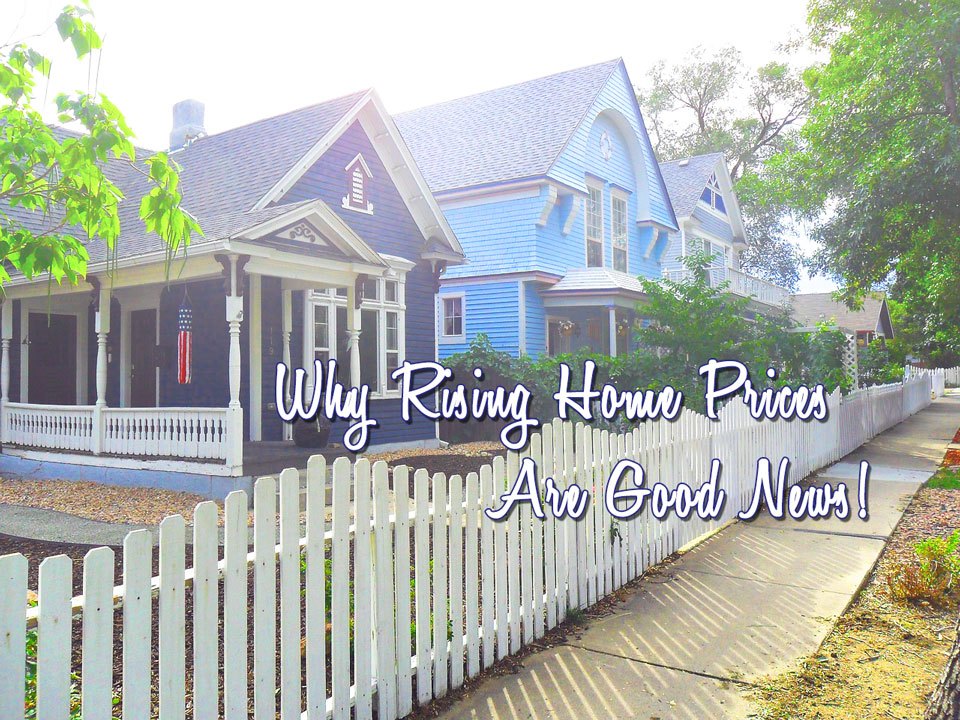
Why Rising Home Prices Are Good News!

Why Rising Home Prices Are Good News!

Most agree that home prices have risen, and are still on the rise. We have written about why this is not like the housing bubble that we saw nearly ten years ago. In some areas, there are not enough homes for sale to meet the demands of home buyers, and prices are driven up organically. see – Low Housing Inventory Driving Values Up – Benchmark

The Good News

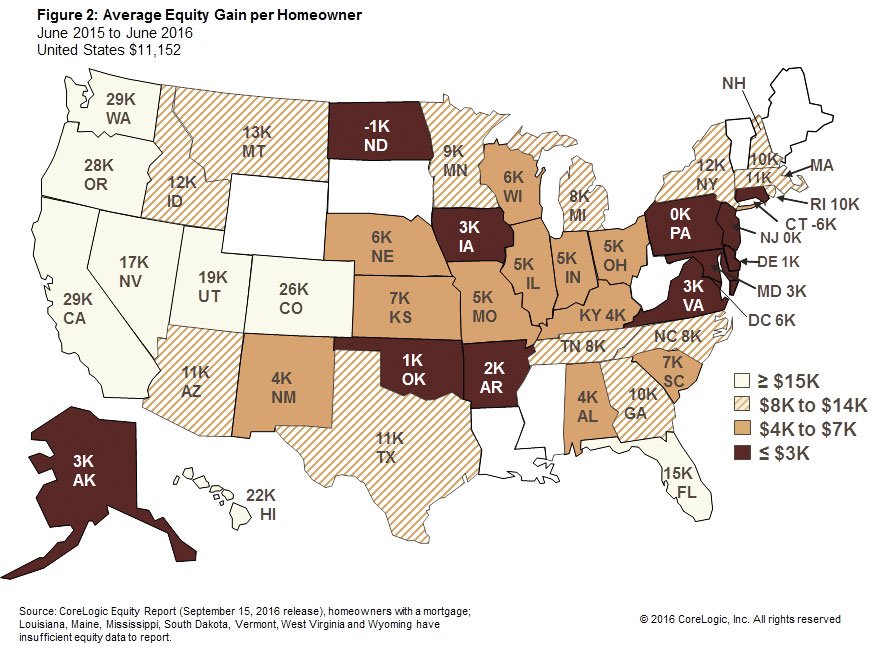
While this can make things more difficult for some home buyers, there is a bright side. The average household in the US gained over $11,000 in equity in the last year owing, at least in part, to rising home values, according to CoreLogic’s most recent US Economic Outlook.

This map is originally provided by CoreLogic’s report. This shows the average, by state, of home equity gained per homeowner from June 2015 to June 2016. The national average equity gain per homeowner was $11,152.


corelogic-map


To address any fears that this nationwide appreciation harkens back to the bubble burst a decade ago, please recognize that homeowners are investing this new equity in their homes and in themselves rather than in speculation or assets subject to standard depreciation.

What does this mean? This means that it is probably helping families to pay for college, start small businesses, pay off their mortgage faster, or moving to a home more suited to their dreams or lifestyle.

What Does The Future Hold?

CoreLogic’s predictions are that home prices will rise another 5% by this date in 2017. Would you believe that it is still cheaper to buy than to rent? Stay tuned for our next post!

5 Easy Tips for Fall Decorations

Think Outside The Pumpkin

photograph of a pumpkin

Make your fall pumpkin stand out by decorating the OUTSIDE, rather than gutting it. Not only does this broaden the possibilities to glitter, paint, melting crayons, and more, but it could also prolong the life of your beautiful gourd.


Warm Hues + Neutrals = Autumn Environment

Fall colors aerial view

Bring the autumn indoors by looking to nature for inspiration.


 Keep Firewood In Your Fireplace

pre-loaded fireplace

Not only will it save you a step for the next fire you build, but it will appear “primed” and ready, creating a cozy feel with the comfort of having things already taken care of.


Show Off Throw Pillows And Blankets

blankets add color and warmth

Cooler temperatures mean cozy decor is a welcome addition. Use blankets and throw pillows to add color and coziness to your living spaces.


Display Apples In A Bowl

Glossy red apples on display

Be authentic by showing off the best fruit of the season: Apples! Beautiful, fresh seasonal fruit on display gives a feeling of abundance. The fresh scent doesn’t hurt, either!

EU Referendum Result graphic #Brexit

The EU Referendum, Brexit, and US Mortgage Rates

“The sudden stop in employment growth rules out any chance of a rate hike from the Fed at next week’s FOMC meeting, particularly now that the UK vote on whether to leave the European Union appears to be going down to the wire,” said Capital Economics Chief Economist Paul Ashworth.  (source: Housingwire.com)


Britain’s exit from the EU increases the value of the dollar, which will push U.S. mortgage rates still lower. “This would create another mini refinance mortgage boom at financial institutions as homeowners rush to lock in near-historic low interest rates,” says Steve Rick, chief economist for CUNA Mutual Group. (source: Bankrate.com)

Fed Not Expected To Raise Rates

As Paul Ashworth indicated in his quote in HousingWire, The Federal Open Market Committee (who determines monetary policy of the Federal Reserve) is not likely to raise interest rates in their next meeting in July.

Futures dropped in the wake of the UK’s vote to leave the EU today, June 24th. This lack of confidence puts more pressure on the FOMC to, once again, postpone a rate hike.

US Dollar Strengthens as Pound is Pummeled

The pound fell to near 1985 levels, making it the lowest value in three decades. According to the Federal Reserve of St. Louis, 1GBP is now down to 1.37USD. (source: WashingtonPost)

When our currency is worth more, it has more purchasing power, which is cause for suspecting that this could make the cost of housing cheaper still.

Is a refinance boom coming? That remains to be seen, but with the relatively high supply in the housing market coupled with a stronger dollar, we may begin to see the supply begin to normalize as homeowners cash out on their accumulated equity.

The Takeaway

No matter your opinion of the EU Referendum result, mortgages are still, historically speaking, ridiculously cheap.

Mortgage prices tend to follow Treasury yields, which have been trending down all year, too. Last week, the interest on 10-year Treasuries dropped to its lowest in four years on worries that Britain would vote to leave the European Union. When the political and economic outlook is uncertain, the world’s money tends to flow into safe investments like U.S. bonds, including mortgages. – Loraine Woellert, Senior managing editor for Redfin research (source: Forbes.com)

Notes:

Is More Housing Inventory On the Way?

Is More Housing Inventory On The Horizon?

Is More Housing Inventory On the Way?
There has been a lot of talk about the rising value of houses in recent years. While some have expressed concern over another 2008 style housing bubble forming, we have dispelled this notion. While economics is a bit more complicated, most moves are the direct result of what you may have learned in school: supply and demand.

The Buyers are Vying

While no-one doubts that the current economy is sluggish (with varying opinions as to why), the demand for single family homes has continually increased. To corroborate that this is not just a timely fad, surveys show that 80%+  still considers home ownership an essential part of the American Dream. (something that we have talked about before). A recent Gallup survey indicates that real estate is considered to be the best long-term investment.

The Owners are Holding

For several years, homeowners may not have been able to sell. Reasons were numerous, including issues such as family finances and lack of home equity. (which isn’t surprising, in the wake of a housing bubble collapse) As a result of this “holding”, the supply of homes is low, as is to be expected. With the steady increase in home values, however, there is reason to believe that incrased motivation to sell will possibly increase the supply. Do families want to sell?

Short of asking, we can look at how long homes have been held, on average, over time.

Forbes


As the economy continues to improve, even if slowly, and more families approach possession of significant equity (20% or more), we expect to see more homes on the market. As the supply increase reduces the gap with existing demand, home price increases may begin to slow.

The Takeaway

If you are one of those who have been holding onto your current home over the last few years, now may be a good time to cash in (sell), and find the home of your dreams.

placing coin in piggy bank photo

Homeowner Average Net Worth 3,600% Higher Than Renter

Not only has the housing market made a strong economic recovery, but also in consumer and expert confidence in home-ownership as an investment.

Not Because of a Difference in Lifestyle

In the New York Times, an editorial entitled, “Homeownership and Wealth Creation” explains:

“Homeownership long has been central to Americans’ ability to amass wealth; even with the substantial decline in wealth after the housing bust, the net worth of homeowners over time has significantly outpaced that of renters, who tend as a group to accumulate little if any wealth.”

The Federal Reserve’s Own Research Agrees

While we have referenced this article before, many of the claims that the article makes are backed by the research that the Federal Reserve has conducted in their Survey of Consumer Finances. The study found that,

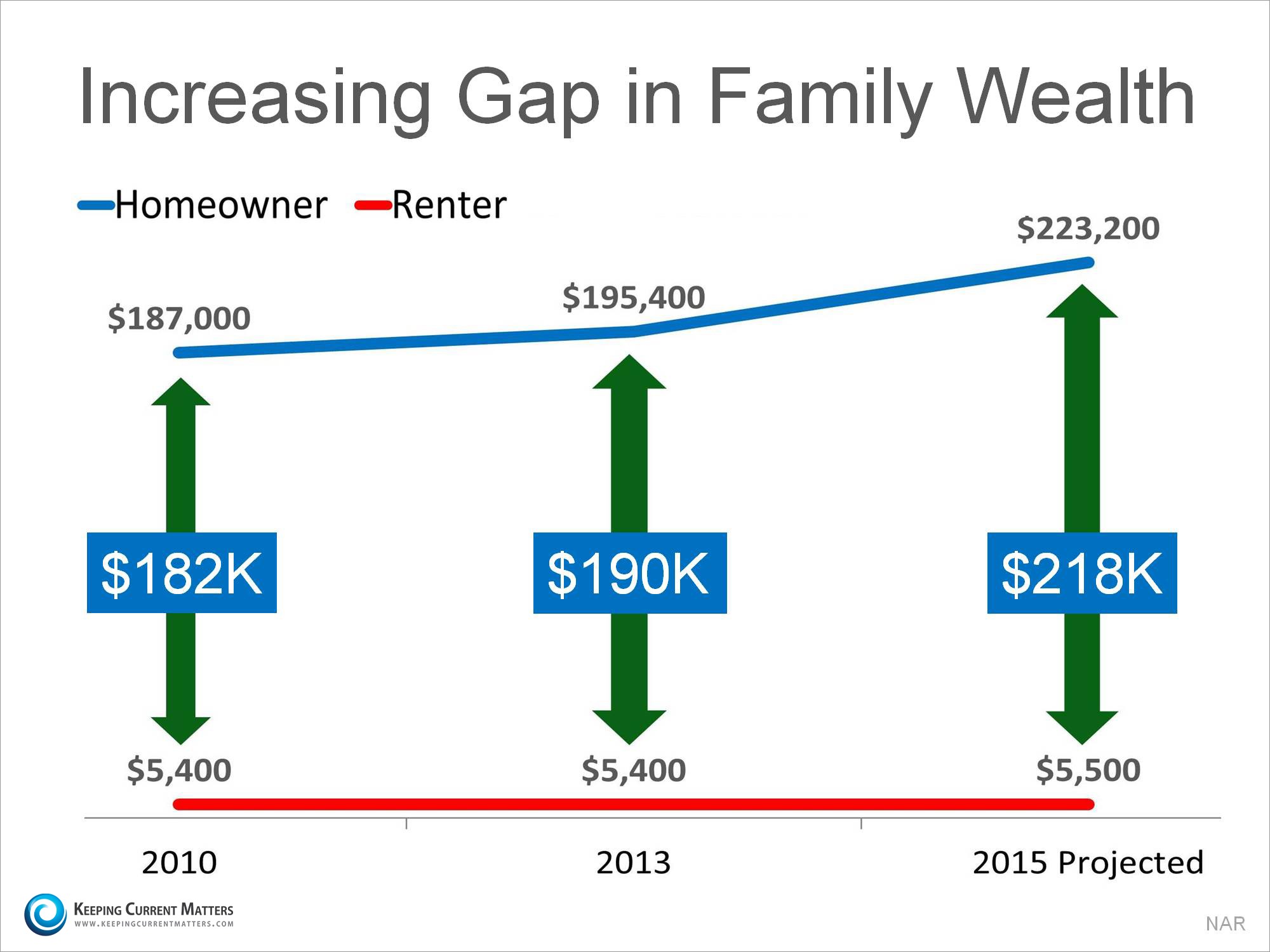
the average net worth of a homeowner ($194,500)
is 36x greater than that of a renter ($5,400).

The National Association of Realtors (NAR) expanded on the Federal Reserve’s research and projected that,

by the end of 2015, the average homeowner will have nearly
41x the net worth of a renter.

That’s nearly 4,100%!

The Gap Widens

Their findings are detailed in the graph below:


One reason for this large discrepancy in net worth is the concept of ‘forced savings’ created by having a mortgage payment and was explained by the New York Times:

“Homeownership requires potential buyers to save for a down payment, and forces them to continue to save by paying down a portion of the mortgage principal each month.” “Even in instances where renters have excess cash, saving a substantial amount is difficult without a near-term goal, like a down payment. It is also difficult to systematically invest each month in stocks, bonds or other assets without being compelled to do so.”

The Takeaway

“As a means to building wealth, there is no practical substitute for homeownership.”

If you are a renter who is considering making a purchase, talk with a Benchmark Mortgage professional who can explain the benefits of signing a contract to purchase over renewing your lease.

click here to find yours

Homeownership still the American Dream

Seeking the American Dream of Home Ownership

Are you living the American Dream?

Most of us have a pretty good idea about what the American Dream is. In case you don’t, we looked it up:

[quote]“The American Dream is a national ethos of the United States, a set of ideals in which freedom includes the opportunity for prosperity and success, and an upward social mobility for the family and children, achieved through hard work in a society with few barriers. – source: Wikipedia.com[/quote]

If we carry this definition further, we find that many Americans see homeownership as an important part of that dream. Let’s look at some recent statistics.

Existing home sales in May of this year were 9.2% higher than the same time last year. Home sales in the Midwest and Northeast saw gains of at least 10%.

If the growth of home sales alone isn’t enough to convince you that owning a home is “living the American Dream,” there’s more. Studies have shown that purchasing a home is making an investment that will appreciate over time. What does that mean? Let’s look at an example. If you already own your home, you are enjoying an average of 7.9% gain in the value of your home just in the last year!

In addition to the financial benefit, owning your home is a slice of freedom. No paying rent to a landlord. No sharing an apartment complex floor with 30 other people. It’s yours.

As the housing market continues to show signs of strength, now could be the best time to invest in your piece of the American Dream. Whether you are looking for a home that is worth $100K or $1M, at Benchmark, we are here to welcome you into the rising trend of homeownership. You will receive more than just another set of keys…you will be given the keys to your HOME.

Fact Sources: NAR’s Existing Home Sales Report 6/22/15

do's and don'ts for the mortgage process around christmas graphic

Do’s & Dont’s for the Mortgage Process around CHRISTMAS

The holiday season is always a crazy time, but that’s no reason not to take advantage of the great housing market, and make some new holiday memories in a new home. Benchmark is committed to a smooth and easy mortgage process, keep these simple do’s and don’ts handy as you start your home buying process this holiday season.

DO’s:

· Keep an eye on your holiday budget; remember not to make big purchases that might affect your credit score.
· Be sure and take into consideration your own personal schedule as the holidays tend to get hectic quickly.
· Use your neighborhoods Christmas decorations to gauge the atmosphere of the community.
· Call your Benchmark mortgage professional l to start your home search today! Nothing is better than a Christmas spent in a new home!
· Remember it is the holiday season for your loan officer and realtor. While they will gladly assist with any questions you might have, be mindful of their time.
· Let Santa and the Elves know that you have moved addresses!

DON’TS:

· Don’t make any large purchases (things that require credit checks or opening new lines of credit). This can affect your credit score and change your loan status.
· Don’t wait until the last minute to complete and send the required documents to your loan officer. Doing it in a timely manner will ensure a smooth loan process.
· Don’t rush putting an offer on a house just because you can close before the holiday season. Remember, this is a long-term decision.
· Don’t use your entire down payment on holiday gifts. Save the money you can.
· Don’t accept monetary gifts from relatives without consulting your loan officer first. (Monetary would be like down payment assistance)

Lesson: Home Insurance 101

One aspect of buying a home that people don’t pay enough attention to is homeowner’s insurance. Although lenders require everyone buying a house to get some insurance covering basic risks like theft and vandalism, fire and smoke and other common forms of unintentional damage, such insurance is usually inadequate for your long term needs.

Adequate Coverage

Soon after becoming a homeowner, one of your top priorities should be to expand your homeowner’s insurance so that it becomes more comprehensive. For example, you will want your insurance to cover such things as personal items, your furniture and any structures on your property besides the house. These structures could be a garage, a shed or even a pool. However, if any of these additional structures are used for a home based business, then to cover them you will need a different type of insurance entirely, one that is geared more towards business needs.

Not Covered

If you don’t have a home business, but nonetheless keep business equipment at your home, then it will not be covered under standard homeowner’s insurance. The coverage is also likely to be minimal for such calamities as earthquakes and natural disasters or for the loss of extraordinarily expensive items in your house such as jewelry or works of art. You will need to purchase supplemental insurance in order to cover these things.

Personal Liability

One category where you should definitely add extra insurance is the area of personal liability to protect you from lawsuits if someone is injured on your property. It also gives you protection should your child or pet cause damage to other people’s property. Few lenders require you to have liability insurance, but it can prevent you from losing your home if you end up liable for somebody else’s medical bills or property repairs.

Protecting Your Insurance

The ease of availability for homeowner’s insurance varies from state to state. However, once you purchase insurance, you need to take steps to protect it. Resolve to avoid making claims unless it is absolutely necessary and fully justified. Otherwise, you may find your premiums rising to unaffordable levels or being discontinued entirely. One good idea is to have a high deductible so you are not tempted to makes claims over minor matters.

The best way to ensure that you are not caught short with too little insurance is to call your insurance professional today.

Home insurance concept