
You are here: Benchmark Home » Home Ownership » Page 2

Category: Home Ownership

Medical professional at desk

Benchmark Introduces New Program to Expand Options for Medical Professionals

Medical professional at desk
Benchmark has launched a new mortgage product that is customized to the unique career and financial outlook of professionals in the medical field. Last year, we launched the Medical Doctor Loan Program to better serve medical residents and doctors. Now we have further expanded our options for medical professionals to include jumbo loan amounts up to $2 Million with our Preferred Medical Professional Program.

The new Preferred Medical Professional Program is tailored to meet the needs of medical doctors within 10 years of residency, dentists and veterinarians OR newly licensed medical residents/students who are currently employed or starting new employment within 60 days of closing.

At Benchmark, we understand what it has taken to get to this point in your medical career, so we designed our new Preferred Medical Professional Program to maximize your money, and even to exclude student loan debt in certain cases:

  • Loan Amounts up to $2 million1
  • Student loan debt that is deferred for at least 12 months may be excluded from Debt-to-Income (DTI) calculations
  • Purchase and limited cash-out refinances
  • Loan-to-Value (LTV) up to 95%2
  • Available on 5/1, 7/1, 10/1 + 15/1 Adjustable Rate Mortgages (ARMS)

1 minimum loan of $453,101 in most areas
2 LTVs ≥ 90% requires Lender Paid Mortgage Insurance

Want to learn more about your home financing options available through Benchmark? Get in touch with me.Find your branch to get started.Select your loan officer to get started.

Ark-La-Tex Financial Services, LLC 5160 Tennyson Pkwy STE 1000, Plano, TX 75024. NMLS ID #2143 (www.nmlsconsumeraccess.org) 972-398-7676. This advertisement is for general information purposes only. Some products may not be available in all licensed locations. Information, rates, and pricing are subject to change without prior notice at the sole discretion of Ark-La-Tex Financial Services, LLC. All loan programs subject to borrowers meeting appropriate underwriting conditions. This is not a commitment to lend. Other restrictions may apply. (https://benchmark.us)


April 17th is fast approaching

Homeownership and Your 2017 Tax Return

April 17th is fast approaching

The deadline to file your 2017 tax returns is approaching on April 17th. If you have not filed your taxes yet, you can take this opportunity to talk to your tax professional about how homeownership may impact your tax return this year. Here are a few reasons why you may want to.

Mortgage Interest may be tax deductible

According to the IRS, taxpayers may deduct interest on up to $1,000,000 of their qualified home loan on 2017 tax returns. If you are married filing separately, you can deduct up to $500,000.

Under the Tax Cuts and Jobs Act of 2017, for home purchases after December 15th, 2017, interest may only be deducted on qualifying mortgage debt up to $750,000 when filing 2018 tax returns.


Property Taxes may be tax deductible

Homeowners who itemize deductions on their tax return may be able to deduct property taxes on their primary residence, as well as other real estate they own. Take advantage of this deduction now, because when you file your 2018 tax return next tax season, under the Tax Cuts and Jobs Act of 2017, homeowners will be limited to deducting up to $10,000 in personal state and local property taxes.


Talk to your tax professional

Your trusted tax professional can help you determine how homeownership impacts you as a taxpayer. Be sure to ask about state exemptions, as they vary. The good news is that  most changes to the tax code will not affect 2017 taxes if filed before the April 17th deadline. Although several changes that affect homeowners will go into effect next tax season in 2018. While the new law will lower the caps for itemized deductions, the standard deduction will nearly double. So unless you have enough itemized deductions to exceed the increased standard deduction, many of the changes discussed will not affect your return.


Ark-La-Tex Financial Services, LLC NMLS ID #2143 (www.nmlsconsumeraccess.org) is not a law firm, accounting firm, tax firm, or financial planning firm. This advertisement is for general information purposes only. Anyone relying on particular details contained herein does so at his or her own risk and should independently use and verify their applicability to a given situation. (https://benchmark.us)

Room to roam is improved with when you buy, which can often result in more square footage of indoor space. Photograph of puppy on a tile floor.

Winter, Pets, and Homeownership

There are a TON of benefits homeownership brings for you and your pets. 68% of American households have a pet, according to the most recent APPA Pet Ownership Survey. The most popular pet being dogs in 48% of households, followed by cats in 38% of households. With our furry friends being such a big part of our lives, there are some real perks to buying a home with your current or future pets in mind!

No More Middle of the Night Walks

When nature calls, nature is closer to your pets when you own your own home. Photograph of small white dog in the snow.Picture this: (If you currently rent with a pet, it doesn’t take much imagination) It’s freezing outside, you live in a second story apartment, and your dog wakes you up at 4am crying to go to the bathroom. You have to get out of bed, bundle up, begrudgingly grab the leash, and walk your pup downstairs, outside to do his/her business.


For renters with dogs, especially in apartments, this scenario is a daily reality. How great would it be to just be able to open the door and let your pup out? Or better yet, what if you could install a doggy door, and they were able to go out on their own? When you’re ready to buy, choosing a home with a fenced in yard can be life-changing for you and your beloved pet.


Give Your Pets the Space They Deserve

The reality is most renters settle for way less square footage than they would find in a house. This makes a huge difference when the temperatures outside are not suitable for taking a stroll. Not to mention, having the bonus of a yard can add a ton of additional space for your dog to run and play without being cooped up inside, and a fenced backyard means access to nature is a whole lot easier when nature calls. Perhaps your puppy has outgrown your current living space, or maybe you want to adopt another dog, but you just don’t have enough space. Buying a home with more square footage can have a positive impact on your pet’s, and your own quality of life!


Your life as a pet parent in the winter is harder when you live in an apartment. Up close photograph of black dog in the snow.

Be Your Own Landlord and Make Your Own Rules

Many landlords restrict by weight or breed, or simply do not allow for pets of any kind. For families with pets, this can limit your options when looking for housing. For those who are locked into a lease with pet restrictions, it can be heartbreaking not being able to add a new companion to your family when you are ready. When you own a home, you are in complete control.


Your pet will love having space to run and play. Just one more reason why buying a house is worth it. Photograph of dog in the snow in a backyard with wood privacy fence.

Say Goodbye to the Pet Deposit

Pet deposits can be a major financial burden for renters with pets. With nonrefundable pet deposits averaging between $200-$500, often per each pet, renting is a big expense for pet lovers on top of the normal expenses for caring for your beloved four-legged family member. At with the recent trend of many landlords charging pet rent, a monthly fee for having a pet, on top of your rent and pet deposit, the costs of renting with pets can really add up. ­

Ready to get into the perfect home for you and your pet? Call me or contact me to get started today!When to get into the perfect home for you and your pet? Find your Benchmark Branch to get started today!Ready to get into the perfect home for you and your pet? Contact us today to get started!

How To Prepare Your Home For Winter

It’s That Time Of Year Again

Winter officially begins on Thursday, and if you haven’t already winterized your home, it’s time to take action. Follow these steps to keep the comfort in, keep the cold out, and ensure your family’s safety. The energy cost savings doesn’t hurt, either, so get to it!


Seal Drafty Windows and Doors

Exterior door and window leaks are the biggest source of energy loss when (baby) it’s cold outside. You can help prevent the heat sneaking its way out, and the cold creeping its way into your cozy home by sealing the gaps. For gaps at the edge of windows, you can simply caulk the gaps. (Be sure to cut out old caulk for best results.) For gaps between panes on newer windows, a little bit of weather stripping can go along way in keeping winter out. On older windows, short of reglazing, you can use weatherstripping or caulk to seal gaps. 

For doors, check the weather stripping where the door seals. At dusk, you can check from outside for light getting through cracks. For all window and door leaks, you can light a candle, and hold it near potential gaps in windows and doors to check for a flicker caused by escaping warm air, or entering cold air. 


little girl sitting by window in winter

Don’t Heat Vacant Rooms

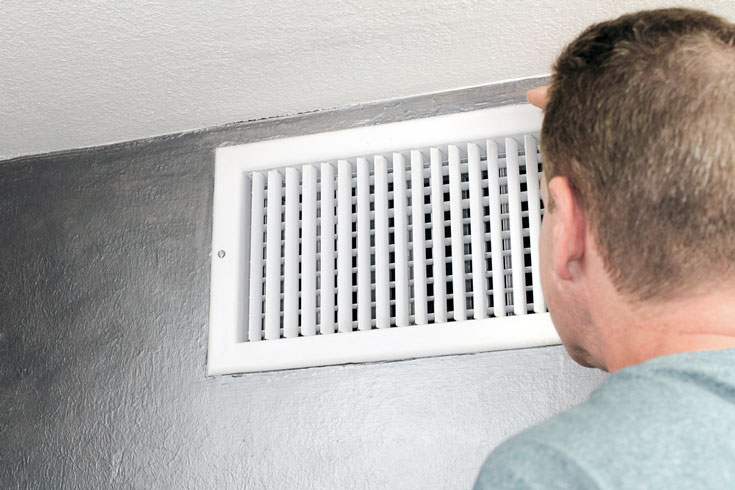
room hvac vent

If you have any spare rooms, or rooms that are rarely used, keep the doors to them closed, and close the vents in them. This will prevent your central heat from working to heat unused space. Unless someone decided to start using the vacant room, no one would notice the sweet savings on your energy bill. 

A bonus tip, if your home has more than a single story, you can partially close the vents on the top floor, and keep the doors to frequently used rooms open. Be careful, though. If your air handler is oversized for your house, this could put unnecessary stress on it, causing it to die prematurely. 

Blow the Warm Air Down

Ceiling fans are fantastic for cutting cooling costs in the summer. The breeze effectively reduces the perceived temperature, meaning you can turn the thermostat up a couple of degrees to lighten the load on your air conditioner unit. What about in winter? 

Most ceiling fans have a switch to reverse the rotation direction that the blades spin. While you don’t want to feel the breeze when you’re trying to stay warm, you do want to generate circulation of the air in the room to even out the temperature between the top of the room and the bottom. Switching your ceiling fans on in reverse direction accomplishes this. No longer will the risen warm air stagnate against the ceiling, leaving the heat from your furnace under-appreciated. You can set your thermostat a couple of degrees lower, to lighten the load on your furnace, while staying comfortably warm when it’s cold outside. 

ceiling fan

Check Safety Systems

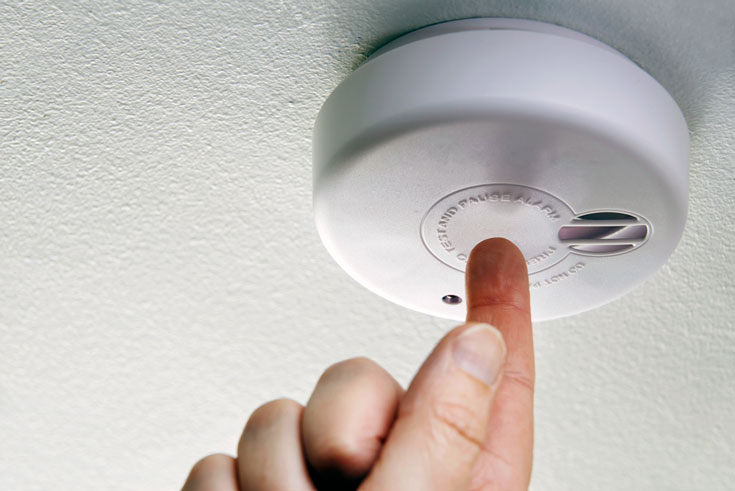
testing a smoke alarm

Test your fire and smoke alarms, your carbon monoxide sensors, and your security system components to make sure the batteries are good, connections are secure, and CO sensors  have not yet expired. Fires and carbon monoxide are both more common during cooler months, and holidays are also a time when thieves may be after the presents under your tree, unfortunately. Don’t forget to check mounting brackets and wiring for external security cameras and motion sensing lights. Being safe is essential to feeling cozy at home.

Stock Up and Be Prepared

Start with keeping a backup stock of food in case you are stuck inside due to snow or ice. It also makes sense to check your first aid kit to see if anything needs to be replenished, or buy one if you do not already have one. Keep extra stock of prescription medications, just in case you are unable to get a refill when running low. Make sure you have a means of opening cans in the event that power is lost. Keep firewood on hand, or another means of keeping warm. Keep emergency numbers handy, and keep your cell phones and any supplemental power banks for them charged. Stock up on batteries, test your flashlights, check your fire extinguisher(s), and keep several gallons of potable water on hand. In the event that you need these resources, your future self will thank you later. So do something nice for yourself and your family: be prepared.


How To Maintain Your Sanity When Hosting For The Holidays

Welcoming your friends and family into your home can be one of the most anticipated events of the holidays. Whether you have family visiting from out of town, or if you’re hosting Christmas dinner this year, the fact that your home is the gathering place for your loved ones is a special privilege.

However, all the stress from cooking, cleaning, and social duties of hosting may get in the way of enjoying the moments and memories with your guests. Following these tips may help you achieve balance and celebrate the joy of your holiday gathering.

Prepare in Advance

Get ahead so you don’t feel like you are falling behind. Do you wait until the last minute to do your shopping, or prepare your home for guests? Of course, doing anything last-minute is a tried and true recipe for anxiety or stress. By making a list of what you need from the store early, you may be able to beat the holiday crowd — if you wait until the day before Christmas, you are giving yourself the gift of a stress filled shopping trip. The best cure for situational stress is preparation. You can do it!

Don’t Overcommit

Promising more than you are able to deliver will run you ragged. While it is sometimes easier to say ‘Yes’ than to risk confrontation, Remember, it is okay to say ‘No.’ If you lack space or patience to host guests from out of town, or if you are uncomfortable cooking a complicated meal, it’s okay to say ‘No.’ Your family most likely loves you as much as you love them, and will understand. Ultimately, you will be more relaxed, leading to happier holidays.

Delegate Tasks

Once you have prepared and decided that you can handle hosting your loved ones, it’s time to distribute the work to those willing to help out. Relying only on yourself to get everything done will make it difficult to enjoy the experience. Ahead of time, take down a list of everything you need to accomplish, and try to delegate at least 50% of the tasks to family members or outside sources. If you have limited help, or limited space, this is where prioritization and balance really come to the rescue.

Consider Catering

If you normally find yourself trapped in the kitchen during your holiday hosting, consider catering a meal for your guests to enjoy. Sure, your grandmother’s family pie recipe is better, but is a ready-to-bake pie from the store good enough? Is the catered green bean casserole better than your old standard? Even outsourcing a portion of the kitchen tasks can give you room to breathe, and even enjoy the tasks you’ve reserved for yourself to brag about. Everyone will likely appreciate mixing up your typical holiday cuisine, and you will gain quality time spent with your friends and family instead of stressing in the kitchen. Joy to the host!

What Are Your Tips?

If you have tried these, or if you have your own tips that we should know about, please leave it in a comment below! We would love to hear from you.

Top 20 Things to Recycle in Your Home

November 15th is “America Recycles Day!”

In honor of this sustainable celebration, we have made a list of common household items that we can all recycle to help conserve resources and protect our environment.

Kitchen

  1. Food Boxes
    cereal boxes, frozen meal boxes, crackers, pasta, etc
  2. Food Cans
    canned foods, canned drinks, canned sauces, etc
  3. Plastic Jugs
    milk jugs, juice jugs, etc
  4. Paper Towel Rolls
    don’t forget plastic wrap rolls, aluminum foil rolls, and their boxes
  5. Plastic Bottles
    condiments, soft drinks, dressings, etc
  6. Old Appliances
    microwaves, toasters, dishwashers, refrigerators, stoves, etc
  7. Cooking Oil
    vegetable oil, canola oil, peanut oil, and other frying oils can be used as biodiesel

Bathroom

  1. Shampoo Bottles
    don’t forget conditioner and other bottled cosmetic cleansers
  2. Soap Boxes
    paper wrappers and other cardboard cosmetic and hygiene product boxes as well
  3. Toilet Paper Roll
    if you have small children in your house, consider reusing them for crafts!

Living Room

  1. Household batteries
    AA, AAA, C, D, 9V, and button cell batteries
  2. Electronics
    televisions, remote controls, blu ray players, stereos, speakers, sound bars, game consoles, etc

Bedroom

  1. Tissue Boxes
    don’t forget other cardboard panels and containers
  2. Magazines
    and newsletters, books at the end of their life, etc
  3. Mattresses
    foam, innerspring, latex, or combination

Office

  1. Junk Mail
    postcards, letters, fliers, and more. more fun to throw, so consider a bin for recyclables next to the trash bin
  2. Scrap Paper
    printing mistakes, notepad pages, hole punched holes, and more no paper left behind!
  3. Ink Cartridges
    some models allow you to reuse them, or exchange for refurbished at a discount

Garage

  1. Tires
    don’t forget lawn tractor and other tires
  2. Automotive Fluids
    oil, power steering fluid, coolant, brake fluid, can all be either used for fuel or recycled

Some items require advanced processing and recycling may not be available in all cities. Click here to see if recycling for these items is available in your area.

Remember, it is better to reduce what you use, and reuse what has already been used, and lastly, to recycle items that would otherwise end up in a landfill. Paper, cardboard, and organic matter can also be composted to help feed your garden.

Purchasing or Refinancing with the HomeStyle Renovation Program

The HomeStyle Renovation Program is available to borrowers who are looking to make Renovations, Repairs, or Improvements to a home with a single loan, rather than with a second mortgage, or home equity line of credit.

At Benchmark, we know how important it is to make a house your own. Your Benchmark loan originator can walk you through the steps of making your homeownership dreams a reality. To find a Benchmark location near you, click here.

At Benchmark, we know how important it is to make your house your own. I am happy to walk you through the steps of making your homeownership dreams a reality. To get started, give me a call, send me a message, or apply now.

At Benchmark, we know how important it is to make a house your own. As your local Benchmark branch, we stand ready answer your questions and walk you through the steps of making your homeownership dreams a reality. To get started, send us a message or apply now.

Benchmark Memo: When Disaster Strikes, You Have Options

In the aftermath of the historic flooding in  South Texas, and in anticipation of Hurricane Irma in the Caribbean, you should be aware of your financial options in the wake of devastation.

The FHA 203(h) is a ZERO down program, and is available to homeowners and renters alike.


At Benchmark, we know how important it is to rebuild after devastation. Your Benchmark Loan Originator can help with options like the FHA 203(h) program.

Under 35 Homeownership Rate Increases

The Rate of Homeownership has increased from 34.3% to 35.3% from first Quarter 2017 to Second Quarter 2017 for those under 35 years of age, according to a report from the United States Census Bureau.

While popular media seems to portray Millennials as a generation of renters, a whitepaper from First American lists six reasons why the number of Millennials becoming homeowners will continue to rise. Here is a quick summary.

They Are The Most Educated Generation

First American says,

“Our model shows that, all other factors being equal, the likelihood of homeownership increases by 3 percent for those that earn a bachelor’s degree over those with a high school degree. The likelihood of homeownership jumps another 3 percent for those that earn a graduate degree.”

To summarize, more education results in a higher rate of homeownership. Since Millennials are the most educated generation in the United States, we should expect to see the rate of homeownership for this group increase over time.


Marriage And Homeownership – Happy Together

As a generation known for delaying life milestones, many are marrying later. With the homeownership rate being 30% higher for married couples over non-married homes (according to First American), we can expect to see the rate of homeownership increase over time for Millennials.


Parents Prefer To Own

According to First American‘s research:

“The homeownership rate is 1.7% higher for households with one or two children compared to households with no children, and it is 5.4 percent higher for households with three or more children.”

As Millennials mature, there may be an increase not only in marriage, but also in producing the next generation. According to First American‘s latest report, this could also result in a bump in homeownership for this up and coming group.


Economics And Income

First American‘s study ties recent gains in income growth and a stronger economy to an increased willingness and ability to buy a home. While this is referring to the entire labor pool, it includes Millennials.


Benchmark.us Sessions

This is hardly proof, but it is interesting to note that ages 25-34 is the largest age group represented in visitors to Benchmark.us so far in 2017, at 32% of all sessions being within this age range.


The Future Is Here

The generations are aging, expectations are changing, and the time is right for the Millennials to take on the American Dream of Homeownership and to establish familial wealth.

Why Buying Is Investing

If you are thinking about becoming a homeowner, it is important to see your house as an investment. A home is an asset with the potential to  increase your financial stability over time. Unlike renting, where you pay your landlord’s mortgage without seeing any return yourself, homeownership works to broaden your financial worth. After purchasing a home, owners enjoy an increase in equity as they continue making payments, an increase in property value over time, and a growing net worth as a cumulative result.


You Are Paying Yourself

Purchasing a house helps you build equity. To figure out your equity in your house, subtract your loan’s principal balance from the market value of your home. For example, if your home’s fair market value is $256,000, but your remaining principal balance is $125,000, you have $131,000 ($256,000 – $125,000) in equity. This equity is available to you as collateral for major expense loans for financing your child’s college education, renovation projects, or paying off credit cards.


Asset Appreciation

The value of most purchased items does not increase over the period of ownership. On the other hand, a home is an investment that is likely to appreciate in value. A home’s value gains over time based on local real estate markets and the improvements made to it. If you decide to sell your home, you will could make a profit if the house value at time of sale is greater than the initial purchase price.


Low Initial Investment

Buying a house may appear to be a scary financial jump. Luckily, you do not need to use all of your savings to purchase a house. You can become a homeowner with just a low percentage (determined by credit and financial factors) of the home value needed for the down payment. While your regular payments are paying down the balance over time, the value of your property is probably rising. A short time into your investment, you will have a home that is worth more than what you paid for it at the time of closing. This equity gives you more financial security and an increase in your net worth.


Are You Ready To Own?

Buying a home can be stressful, but it doesn’t have to be that way with Benchmark. When you feel ready to purchase a home, find your branch. A loan officer will match you with the best loan for your financial needs.

Buying a home can be stressful, but it doesn’t have to be that way. When it’s time to buy a new home, give me a call or apply now. I’ll work with you to find the best loan type for your financial needs.

Buying a home can be stressful, but it doesn’t have to be that way. When it’s time to buy a new home, contact us or call your loan officer. We work with you to get the best mortgage for your financial needs.