You are here: Benchmark Home » Home Ownership » Page 4

Category: Home Ownership

Top 10 Tips To Save Water This Summer

With the warm summer weather comes an increase in activities around your home, outside and inside, that use water. Here are 10 tips for smart water usage.

Check Your Connections

1. Check hose connections and outdoor faucets for leaks. Replace or adjust them as soon as you notice a leak. Also watch lengths of hose when water is running through them for holes or other damage.

Strategically Schedule Your Water

2. Be strategic by scheduling when you water lawns, gardens and flower beds. Watering before the heat of the day means less water is lost to evaporation. A regular watering schedule also keep plants and lawns from drying out and becoming stressed, which in turn leads to the need to water more.

Regularly Adjust Your Sprinklers

4. Stay pointed in the right direction. Regularly adjust the direction of your sprinklers to make sure you aren’t watering the sidewalk or driveway.

Make A Clean Sweep

5. Use a broom on driveways and walkways as a first step to cleaning them. Use the hose as the second step.

Maintain Your Pool

6. Don’t let your pool make an unwanted splash on your water bill. If you have a pool, make sure it is regularly maintained and thoroughly checked for leaks.

Use A Rain Barrel

7. Set up a rain barrel. Then use water collected to water trees, shrubs and flowers. In a similar vein, see if downspouts can be directed to deliver water to certain areas that need it such as lawns or garden beds.

Fill Your Appliances

8. Appliances are most efficient when full. Wait until there is a full load to run the dishwasher or washing machine.

Inspect Your Appliance

9. Inspect other appliances that use water to make sure they are performing in an optimum way. Don’t forget your evaporative cooler or hot water heater.

Don’t Wait For The Tap To Get Cold

10. Keep a container of drinking water in the refrigerator instead of letting tap water run to get cold for drinking. This has the added benefit of giving you a cool drink instantly.

Saving a drop here and a drop there really makes a difference when it comes to water usage. What looks like a small amount of wasted water adds up quickly when it happens every day or all summer long. In a similar way making what seems like a small step now will help keep your home green. Then you can enjoy summer the way it was meant to be.


Watering flowers

closet organization tips

Get Your Closet Organized While It’s Cold Outside

Its winter time and thoughts of going outside in the cold just gives you the chills in most of the country. So, why not look for something productive to do inside like cleaning out and organizing your closet? Closets are usually taken for granted because you can just toss things inside them and forget about it.

Think about how nice it would be to have a neatly organized closet.

A disorganized closet can look like it went through a storm, but with a little patience and by following some of the tips below, your closet can be quickly transformed into an organized space.

Get in Season

To get a fresh start on your closet, take out all the clothes that are out of season and neatly store them away in a plastic container or cedar chest. This way, they will be easily available when you are ready to use them again.

What Really Fits

Next, take out all the clothes you cannot or won’t wear again and give them to a local charity. This includes items on shelves in the closet as well as shoes. This creates plenty of space for more organization. Afterwards, vacuum, clean up any cobwebs and dust the closet. Start working from the top, down.

Get Organized

Next is the fun part – organizing your clothes. One great way of organizing clothes and shoes is by color. Start with the lightest colors and end with the darker colors. Clothes should be placed neatly on hangars and all facing one way. If you share a clos
et with a spouse, use a divider and organize the other person’s clothes in the same manner.

Tackle the Shoes

Shoes should be arranged in the same manner, from lightest to darkest. Use a shoe organizer or some shelves to give yourself more space in the closet. Continue this process with the rest of your closets until they all look the way you want them to.

The Small Stuff

A closet organizer serves a wonderful purpose helping you organize closets. You can find closet organizers in all sizes, and they serve any type of function you might need them for. They come in several styles and different prices ranges to fit all budgets. If you want variety in your closets, you have options.

Now you have organized closets that are easy to maintain and much nicer to look at.

We hope these tips help with your closets and if you need any help with mortgage and refinance questions, please contact us.

Fire Prevention Tips for Every Homeowner

As a homeowner, you will want to take the necessary steps in preventing a potential house fire. Fires can cause a great deal of damage not only to your property, but also to the many memories that you have made with your family in your home.

In addition, fires can be extremely dangerous for those who are in the house at the time that the fire starts. Every homeowner should take advantage of these fire prevention tips that will truly help you in preventing a fire within your home before it has the chance to start. Now you will have the peace of mind to know that you are safe in your own home.

Your Home’s Electrical System

One of the most common ways that a house fire starts is from a faulty electrical system. Your electrical system should be checked by a professional annually to ensure that you are not experiencing any issues. Some things that will be checked on your electrical system include grounded receptacles, damaged wiring that may have been caused by pests chewing on it, circuit breaker damage, tripped fuses, power surges and more. By hiring a professional to look over your system regularly, you are preventing the risk of your system starting an accidental fire within your home.

HVAC Systems

Air conditioning and heating systems require semi-annual maintenance in order to ensure the safest home possible and to take the necessary steps in fire prevention. An overworked fan motor or a clogged filter can start a fire in just a matter of minutes. Air conditioning coils should be cleaned, filters should be changed and furnace burners should be cleaned before starting up the heat at the beginning of the winter season. Regular HVAC maintenance will help to prevent a fire from starting in your home.

Flammable Liquids

If you have any flammable liquids within your home, they should be stored in areas where there is no ignition source present. For example, you will not want to store paint cans, gasoline or other flammable materials near the stove, washing machine or dryer as this can start a fire easily. In addition to flammable liquids, it is important to keep your stove and other ignition starters clear of any garbage or debris such as paper which can catch on fire in just seconds.

Other fire prevention tips for every homeowner include proper maintenance of your fireplace, being careful when using space heaters, keeping your appliances clean and using caution when burning candles and oil lamps. Preventing a fire is simple when you take the proper steps for you and your homes ultimate safety.

tech gadgets to make your home modern

5 High Tech Gadgets to Take Your Home into the Future

Are you buying a new home or updating your current one? Adding a few modern, high-tech gadgets can rocket your home into a positive direction. New home gadgets can help to modernize your home, and also make your home safer and more secure. Below are a few must-have, tech-savvy devices.

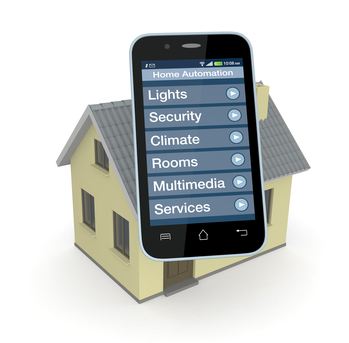
Vivint Home Automation

The Vivint Home Automation system is an all-in-one system that allows you to control your home security from anywhere. You can lock and unlock your home door from your smartphone. Have your kids ever left their house keys at school? With the Vivint system you can easily let the kids inside by using your smartphone or other web enabled device. A video surveillance system helps you know exactly what is happening inside your home. This system allows you some control of your home while you are gone.

Canary Home Security Device

Ensuring that your new home is safe is a top priority. The Canary Home Security Device alerts you to emergencies happening inside your home. Even if you are away from home, you can choose how to respond to an emergency easily from your smartphone. You can choose to call the police or text a neighbor. This security device takes high-quality video with a night vision HD camera.

August Smart Lock

The August Smart Lock allows you to choose who enters a room. The door automatically locks after the door shuts. This locking device allows you to feel more secure at home or when you are away. If you have guests coming, they can be invited, and the door will unlock for them.

Nest Thermostat

The Nest Thermostat helps you stay comfortable while you are in your home. It learns your comfort level and adjusts the temperature automatically. It also has an automatic away mode which detects when you leave your house and sets the temperature accordingly. This feature can help you save money on your electricity bill.

Spotter Sensor

The Spotter Sensor is a wonderful tool that can help keep your home in working order. It will automatically alert you of certain types of changes. For example, it can automatically adjust the humidity in a wine cellar or alert you if someone comes into a certain area. It can also automatically turn on a light when you open a door. The Spotter Sensor can be controlled conveniently with your smartphone.

tech gadgets to make your home modern

remodel kitchen on a shoestring budget

5 Ways to Remodel a Kitchen on a Shoestring Budget

When the time comes to make changes to a kitchen, some people may not be aware of all their options. This is especially the case when a homeowner has a small shoestring budget.

Here are a few ways to remodel a kitchen on a shoestring budget:

1. Paint The Cabinets

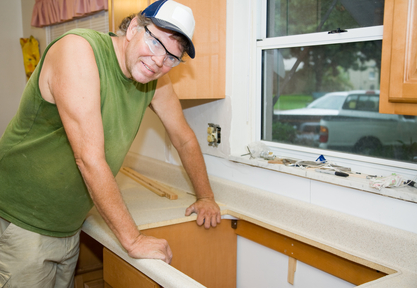
If a person wishes to make a change to a kitchen without spending a lot of money, it is a good idea to consider painting the cabinets. If your cabinets are decades old; they may cause you to feel frustrated or outdated. A person can add a coat of paint over the cabinets in one weekend. This is really easy to do if the cabinets have never been painted before. However, it may be necessary to provide several coats in order to cover an older color. A person should think about the overall theme of the kitchen when selecting a color.

2. Add Decorative Tiles

It may not be enough to change the color of the cabinets. If this is the case, a person may wish to add some decorative tiles as a backsplash in the kitchen. This is an excellent way to add a touch of color or personality to the room. It may also make it easier to clean the wall after a messy cooking session. There are many tiles to choose from, and a person does not have to look far to find something suitable.

3. Add A Few Accessories

Many people make changes to a kitchen by adding new accessories. This does not take up a lot of time, and a person does not have to spend a lot of money in order to make a dramatic change in the room. For example, a person may choose to add a vase of flowers or a bowl of fruit to the kitchen table. If this is not what a person wants, he or she may wish to add some colorful pictures to the wall. Buying a couple nice accessories will help you keep the space current as your tastes change.


4. Change Drawer Pulls

If you still have brass drawer pulls it me be time to upgrade them to something like stainless steel or brushed aluminum. This is one of the fastest ways to get an updated feeling into the kitchen. Stores like IKEA or Restoration Hardware have tons of different drawer pulls to choose from.

5. Change Out The Appliances

New appliances add a sense of freshness to a kitchen. While this can be one of the pricier ways to update your space, these changes last for years and years. Look for a scratch and dent place near you for some of the best deals.

The information above should give you some ideas on how to remodel a kitchen on a shoestring budget.

Fall home maintenance tips by Benchmark

7 Fall Maintenance Tips for Homeowners

Fall is the perfect time to get all of your home maintenance and winter preparation projects done. It is the time of year when things cool off and it gives you the best opportunity for accomplishing all you need to before the cold winter months.

Help get your home ready for winter with these fall maintenance tips:

1. Check windows and doors.

This is one of the easiest ways to save on winter energy bills and keep your house from getting cold. Make sure there are not cracks, leaks or air coming through the window sills or door frames.

2. Clean you heating and air conditioning.

Having your air conditioner and heater units cleaned twice a year- spring and fall- will help your family stay healthier and expand the life of your units. A professional cleaning is inexpensive and takes a very short amount of time.

3. Check your fireplace.

Many people still use wood burning or gas fireplaces in the winter. Do a visual inspection of your fireplace to make sure that it is in good working order. Give it a test run at some point in the fall, before it gets too cold, to make sure that it will be functioning in the winter.

4. Clean your water heater.

You can clean your water heater by simply draining it. Allow all of the water in the tank to come out. This will get rid of any buildup that is in the heater due to sediment and will help prevent it from building up during the winter.

5. Protect your hose.

To keep your garden hose from freezing and cracking empty it completely and disconnect it from the spigot. Moving it inside is also a good idea to help prevent your hose from freezing and getting destroyed.

6. Check your roof.

When prepping maintaining your home it is important to start from the bottom up. Take a look at your roof- even from the ground- and see if there are any missing shingles or holes in the roof. Make sure your gutters are clear of leaves, sticks and debris.

7. Clean out the garage.

Make sure that any unused gas in equipment is removed and stored properly. Allowing the gas to sit in the fuel tanks can cause sediment in the tank and can potentially ruin the equipment. Since it may be out of use for months, fall is a good time to do this.

5 questions to ask your insurance agent

5 Questions Homeowners Should Ask Their Insurance Agent

You do not have to be an expert on homeowners insurance just to make an informed purchase. As a wise consumer, it is important to read home insurance policies in detail and ask the important questions before you build a comprehensive insurance policy that will provide you with protection.

While premium is important, knowing how your policy will afford you coverage is more important. Insurance agents are licensed and trained experts on the subject. Here are 5 questions you should not forget to ask your agent to ensure that you are purchasing the right policy from the right insurer.

Questions To Ask Your Home Insurance Agent:

1. How much would it cost to rebuild my home in its current condition and location if it were a total loss?

One of the primary purposes of buying home insurance is to insure your home against total loss. You have the option to choose your dwelling limit, which will be the total amount the insurance company will pay for materials and labor to rebuild your home. If you are not familiar with home building costs in your neighborhood, ask your agent to help you calculate the cost to rebuild per square foot.

2. How much will you need to replace your personal belongings if they were destroyed?

Personal property coverage pays to repair or replace all of your personal belongings that are not attached to the dwelling. While the average home insurance policy provides you with 75% of your dwelling coverage to replace your belongings, this limit may need to be raised if you have a lot of valuables. Ask your agent for a home inventory checklist so that you can determine if you have enough coverage.

3. How much liability coverage do I need if something happens on or away from my property?

Liability coverage will protect you against lawsuits for property damage and injury. Liability pays for judgments and the cost to defend you in court. If you are not sure how much coverage you need, ask your agent. The standard home policy will provide $100,000 in coverage.

4. Do I need to add flood and earthquake coverage?

Homeowners insurance excludes losses that are caused by earthquake or flood. To protect yourself against these losses, you need to purchase a specialty flood and earthquake insurance policy. Specialized coverage is often recommended by the most seasoned property insurance agents.

5. Do we qualify for any discounts?

There are a number of ways you can reduce your home insurance premiums with discounts. Fire sprinklers, smoke detectors, alarm systems, monitoring services, a new roof, and gated entry can all qualify you for discounts. Ask about the discounts available through the insurer and make sure you take advantage of all of the discounts that you qualify for.

Make sure you ask the right questions when you are selecting an insurance contract. By getting informed, you can avoid building a policy that does not provide you adequate protection and peace of mind.

7 Home Improvements That Will Lose You Money

Many homeowners want to make improvements to create their own space. Before you bring out the sledgehammer, make sure you are aware of the return on investment any improvements will make.

Every situation is different, but here are 7 home renovations that may not have much return when it’s time to sell:

1. Home Office Remodel – According to Remodeling magazine, the average cost of a home office remodeling job is about $27,963. On average, 43% of home office remodeling costs are recouped in the resale value of a home. If you want to improve your home office without a large investment, stay away from custom built items.

2. Sunroom Addition – Many people believe sunroom additions are cheaper because they don’t require heating & cooling, are usually smaller spaces and generally don’t have a bathroom. However, all the little extras and unexpected labor costs can easily add up and generally don’t return on the amount invested.

3. Bathroom Addition – Sometimes additional bathrooms are needed, especially if there is a waiting line outside the available bathrooms in your home. However, they tend to require a lot of costly work (think “water”) and generally only return about 51% of your initial investment.

4. Garage Addition – Building a garage is essentially building a house for your car. It often requires a foundation, constructing walls and to build a roof along with many other labor intensive efforts. Homeowners generally recoup only 57% of the average costs, which are around $58,000.


5. Master Bedroom Suite – Master bedrooms can get very elaborate. Adding bedrooms can add value to the house, but the costs are even greater. The average cost per square foot varies, but anyway you look at it – you’re likely to lose money. The average master suite addition runs over $100,000.

6. Fiberglass Entry Door – If you’re going to upgrade your door, don’t choose the higher-cost fiberglass alternative to a heavy steel door. Steel doors will provide greater security and weather-resistance and tend to return 17% more on your investment than fiberglass.

7. Swimming Pools – Pools can be a lot of fun but they shouldn’t be added with the hopes of a huge return. Some home buyers see a pool as a burden when they are shopping and focus on the maintenance costs instead of the benefits.

Before you jump into any home improvement be sure to consider the potential return.

If you decide to move forward with any improvements, you may want to think about refinancing as a way to fund your improvements.

Whatever you decide, the most important thing is that you will enjoy it while you are living in the house.

Short Sale Assistance for Military Homeowners with Orders

Washington, DC – Federal Housing Finance Agency (FHFA) Acting Director Edward J. DeMarco today announced changes to short sale policies that will make it easier for military homeowners with Fannie Mae and Freddie Mac loans to honor their financial commitments when they are required to move as part of their duty.

At a news conference with Consumer Financial Protection Bureau (CFPB) Director Richard Cordray, CFPB Assistant Director of Servicemember Affairs Holly Petraeus, and Deputy Assistant Secretary of Defense for Military Community and Family Policy Robert L. Gordon III, DeMarco announced that military homeowners who receive Permanent Change of Station (PCS) orders will be eligible to sell their homes in a short sale even if they are current on their mortgage. PCS orders often require quick moves and can create hardship for military homeowners who are underwater on their mortgages and therefore cannot sell their home without taking a loss. Previously, many service members felt their only option was either to maintain financial obligations on two residences or to default on their mortgage.

“It is in everyone’s interest for the men and women serving in our armed forces to focus on the important job they are doing defending our country, rather than worry about the maintenance and leasing of a property in another jurisdiction,” said DeMarco. “These Fannie Mae and Freddie Mac policy changes, in combination with related guidance last fall, should now provide military homeowners with access to the immediate and automatic full range of foreclosure alternatives.”

DeMarco commended the CFPB and the prudential regulators – the Board of Governors of the Federal Reserve System, Federal Deposit Insurance Corporation, National Credit Union Administration, and the Office of the Comptroller of the Currency – for issuing a new interagency guidance that reinforces for mortgage servicers the importance of treating military homeowners with PCS fairly.

Under the new policy Fannie Mae and Freddie Mac will not pursue a deficiency judgment or any cash contribution or promissory note from members of the military with a change in duty station for any property purchased on or before June 30, 2012. Service members must have a Fannie Mae or Freddie Mac loan to be eligible.

Last year Fannie Mae and Freddie Mac issued guidance to mortgage servicers confirming PCS orders as a qualifying hardship for forbearance and loan modifications.

Service members can check Fannie Mae or Freddie Mac websites to see if their loans are held by them or they can call hotlines for military homeowners at 1-877-MIL-4566 or 1-800-FREDDIE.

Home Remodels That Don’t Pay

Before you jump into a major renovation project to give a house your special flare, consider how long you’re likely to live in the house.

A lot of people get into trouble by moving into a home they’re only going to be in for a relatively short period of time, and they start remodeling and building additions that are sort of on their fantasy list, but they’re not going to be there long enough to really enjoy.

Here are four reasons to “remodel with caution”, especially if you want to maximize your chances of a profitable sale later on.

1. High maintenance – If your upgrade requires too much work to maintain, buyers may view it as more of a problem than an asset. A prime example is an in-ground swimming pool, which can cost a small fortune to maintain and keep clean.

2. Overdressed – Luxurious features can be a nice selling point, but only if they blend in with rather than stand out from what the neighbors have. Having the nicest home in the neighborhood can be a bad thing when it’s time to sell. A prime example would be upgrading the kitchen in a starter home to look like the kitchens in high-end home magazines.

3. Too Personal – Making a “Cookie-Cutter House” conform to your own unique taste. Any time you deviate, no matter what how minor the improvement is, from what is a fairly traditional, single-family house, you run the risk of improving in a way that will not lend itself to recouping your investment at re-sale time.

4. Unpopular – If no one else on the block has a room like the one you’re adding, or all the other houses boast the very feature you’re getting rid of, watch out. For example, although converting your two car garage into an office or bedroom can be a less expensive way to add square footage and create more living space, it can have drawbacks. Potential homebuyers might miss the covered parking more than they welcome the additional room, especially if all other homes in the neighborhood have garages.

This final tip for whatever type of home renovation you might be considering: Before you do anything to your house, live in it for a while. Prioritize the projects you want to complete, then go back in a few months and see if your list has changed.